Common Drainage Problems in Columbus Yards and How Landscaping Can Help
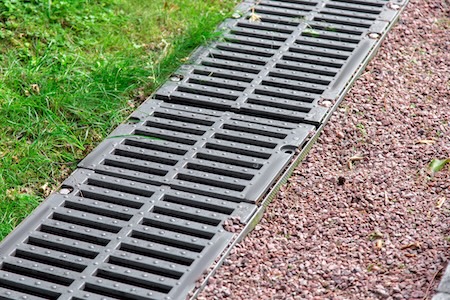
After a summer storm in Columbus, it’s common to see puddles sit for days, turf turning mushy, or mulch washing into the street. If this sounds familiar, you likely have drainage problems that landscaping can fix. The team at RiverCity Lawn & Landscape designs proven solutions that move water where it should go and protect your lawn, beds, and foundation. For a professional assessment and options that fit local soils and rainfall, explore our irrigation and drainage services.
Why Drainage Fails in Columbus, GA
Our area’s red clay compacts easily and drains slowly. Add sloped driveways, shaded yards, or downspouts that dump water in one spot, and you get pooling, soggy turf, and erosion. Thunderstorms and tropical remnants can drop heavy rain in a short window, which overwhelms yards not shaped to move water. Good landscaping reshapes the land and installs systems that work with our soil, not against it.
Clear Signs Your Yard Needs Drainage Help
- Water sits 24 to 48 hours after rain, especially in low pockets or near patios.
- Mulch washes onto sidewalks or you see bare soil streaks on slopes.
- Mildew smells, mushrooms, or thinning grass in shady, wet areas.
- Foundation plants look stressed while higher ground stays healthy.
- Ruts or silt lines after every storm along fence lines or side yards.
If you notice these, remember: standing water near your foundation is not normal. It is a sign the yard is not graded or drained to handle our weather.
How Landscaping Fixes Standing Water And Erosion
There is no one-size-fits-all fix. The best plan usually combines grading, subsurface and surface drains, and the right hardscapes and plantings. Here are the tools our designers use around Columbus neighborhoods like Midtown, North Columbus, Midland, and the Fort Moore area.
Regrading and Shaping the Site
First, we map how water moves across your lot. Regrading creates a gentle slope away from the house and toward safe discharge points. In many Columbus yards, a few inches of change and tight soil compaction control where water travels. Regrading is also how we set the stage for drains to work efficiently and for turf to recover.
French Drains for Subsurface Water
When groundwater or slow-draining clay keeps areas wet, we design French drains to intercept and carry it away. These systems use a gravel trench and perforated pipe to move water to daylight or a discharge zone. In side yards that stay squishy, along fence lines, or below slopes, installing french drains is often the cleanest way to dry out the turf and protect nearby hardscapes.
Curtain Drains for Surface Flow
If water sheets across the lawn from a neighbor’s slope or a long driveway, a shallow curtain drain near the surface collects and redirects that flow. It is a smart match for clay soils because it captures water early before it ponds and compacts the turf.
Dry Creek Beds That Look Natural
Dry creek beds are decorative channels lined with stone that guide water through the landscape. They handle big bursts of rain while blending into the design. With proper grading, a dry creek bed can protect mulch beds, keep sediment out of the street, and add curb appeal at the same time.
Retaining Walls To Control Erosion
On hillsides and stepped lots, walls break up slopes and slow runoff so soil stays put. They also create usable flat spaces for play or planting. For a deeper dive into the benefits, see our related article on how retaining walls prevent soil erosion and protect your landscape.
Planting Design That Works With Water
Right plant, right place matters for drainage. Deep-rooted grasses on slopes help hold soil, while water-tolerant plants near outfalls can handle occasional wet feet. Mulch choices and bed edging also play a role in keeping soil where it belongs.
Local tip: After big Georgia storms, avoid heavy foot traffic on saturated clay soil. That prevents compaction that makes pooling worse and saves you from paying to fix ruts later. Ask RiverCity Lawn & Landscape to evaluate grading before adding more soil so water has a clear path out.
Common Columbus Yard Scenarios We Solve
Low Backyards That Never Dry
Back fences often sit at the neighborhood’s low point. Water collects there and lingers. By regrading the center of the yard toward a discreet outfall and adding a French drain along the fence, we create a consistent path to move water off your property.
Side Yards Turned Into Mud Paths
Between homes in North Columbus and Midland, narrow side yards can become muddy channels. A shallow curtain drain paired with sod restoration prevents the channeling, protects foundations, and keeps pets from tracking in mud.
Driveway and Walkway Washouts
Concrete and pavers speed up runoff. When they pitch toward beds, mulch washes out and stains edges. Small grade adjustments and a dry creek bed or catch area solve the washouts without changing your hardscape layout.
What Makes a Strong Drainage Plan
- A clear outlet: water should move to a safe place away from structures and neighbors.
- Balanced systems: regrading, drains, and plantings that complement each other.
- Soil-specific design: choose systems designed for Georgia clay and intense downpours.
- Maintenance access: drains and outfalls you can inspect without digging.
Curious where to begin? For an overview and more details, check out our irrigation and drainage overview. You can also learn more about yard drainage solutions in Columbus, GA and how RiverCity Lawn & Landscape approaches problem yards across the Chattahoochee Valley.
How We Work With You
Site Walk and Water Mapping
We start by listening. You tell us when and where water shows up. Then we document slopes, soil texture, downspout locations, and where water naturally wants to go. If needed, we visit after a rain to see the flow in action.
Custom Design for Your Property
Next, we combine grading, drains, and hardscapes into one plan. This might include a French drain for the soggy corner, a curtain drain to cut surface flow, a dry creek bed to protect mulch beds, and a compact retaining wall to hold a slope. We design with long-term maintenance in mind so it continues to work season after season.
Professional Installation and Follow-Up
Our crews install the system with clean lines and proper compaction so it looks great and works even better. We return after major rain to confirm performance and make small tweaks if needed. Erosion streaks are your yard’s way of telling a story, and we make sure the ending is a dry, healthy lawn.
When To Act
If puddles linger more than a day, turf dies in the same wet patch, or you see silt on patios after every storm, it is time for a plan. Acting now helps prevent foundation stress, insect breeding, and grass loss before the long, hot stretch of summer. The sooner water has a path out, the faster your yard recovers.
Get Help From a Local Landscaping Team
Whether you are in Midtown with mature trees and shade, a newer subdivision with tight lots, or near the river where soil can shift, a tailored plan will keep your outdoor spaces safe and enjoyable. RiverCity Lawn & Landscape designs and installs grading, drains, retaining walls, and plantings that solve problems and boost curb appeal.
If water is pooling after every Georgia rain, talk with our local experts. Call us at 706-888-0123 or reach out online. When you are ready to start, schedule a visit through our irrigation and drainage page for a plan built for your yard and our climate.
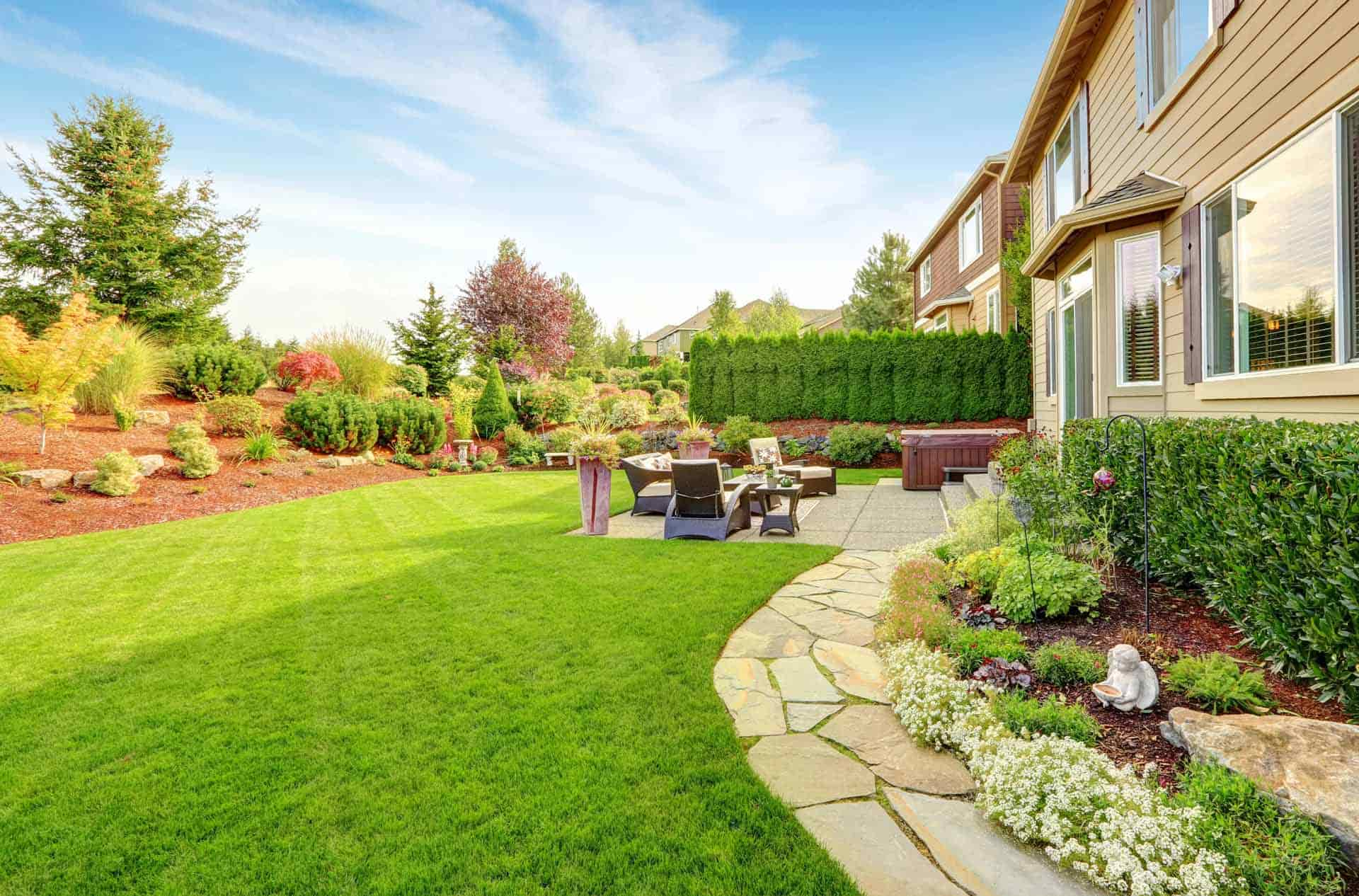
Beautifying Lawns & Landscapes With These Services
The Lawn You’ve Always Wanted Is Just a Click Away! Contact Our Lawn Care & Landscaping Experts in Columbus, GA